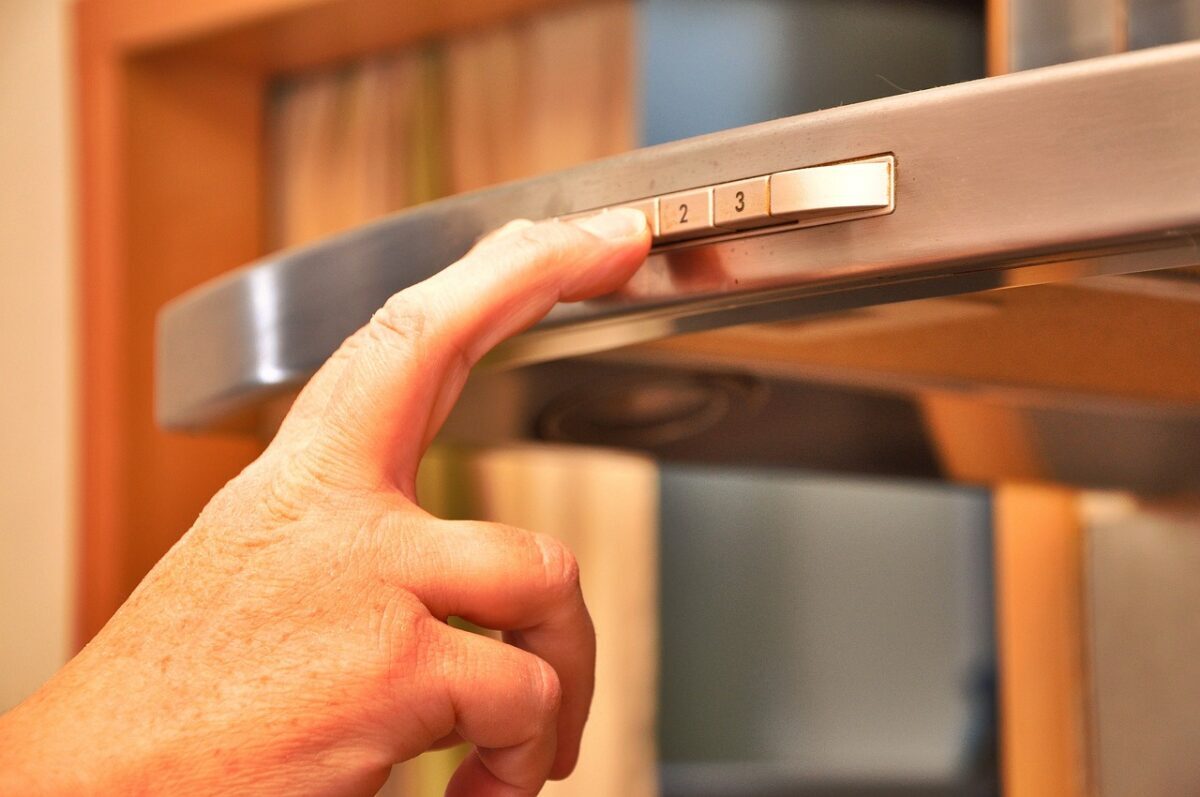
Kitchen hoods play a crucial role in maintaining healthy air by eliminating odors, smoke, and steam generated during cooking. While powered hoods are the most common, non-motorized hoods are gaining popularity due to their unique operation.
Operation of Non-Motorized Hoods
The non-motorized hood, often referred to as passive extraction hoods, operates on the principle of natural air circulation. Unlike powered hoods, which use fans to extract air, these models rely on temperature and pressure differences to draw in stale air.
Natural Air Circulation
The heat generated during cooking causes warm air to rise, creating a vacuum that draws fresh air from the kitchen into the hood. This air movement is fundamental to the operation of the non-motorized hood. The lighter warm air rises and is replaced by cooler air, thus creating a cycle of natural circulation.
Materials and Design
Non-motorized hoods are often made from materials such as stainless steel, aluminum, or glass. These materials are not only aesthetically pleasing but also heat-resistant and easy to clean. Additionally, some hoods are equipped with activated charcoal filters that help neutralize odors, thereby improving the ambient air.
Advantages of Non-Motorized Hoods
Eco-Friendly and Cost-Effective
One of the main advantages of non-motorized hoods is their reduced environmental impact. Since they do not consume electricity, they are more eco-friendly than their powered counterparts. This lack of electricity consumption also translates into savings on energy bills, a factor particularly appreciated by environmentally conscious users.
Quiet
Another significant advantage of non-motorized hoods is their silent operation. The absence of a motor means there is no ventilation noise, allowing for a more pleasant atmosphere during cooking or dining. This silence is particularly beneficial in small spaces where every sound can be amplified.
Easy Installation
Non-motorized hoods are often simpler to install than powered models. They do not require electrical wiring or complex exhaust ducts, making them ideal for users looking for a quick and hassle-free setup. This can also reduce installation-related costs.
Disadvantages of Non-Motorized Hoods
Limited Performance
Despite their advantages, non-motorized hoods have limitations in terms of efficiency. Their performance heavily depends on the kitchen layout. In larger or poorly ventilated spaces, the capacity for natural extraction may not be sufficient to effectively eliminate smoke and odors. Users should therefore assess whether a non-motorized hood will suit their cooking environment.
Maintenance Required
To operate effectively, non-motorized hoods require regular maintenance. Activated charcoal filters need to be replaced periodically to prevent odor buildup. Additionally, surfaces should be cleaned regularly to maintain a good level of hygiene. This may be seen as a drawback for those who prefer low-maintenance appliances.
Initial Cost
Finally, while non-motorized hoods may offer energy savings in the long run, their initial purchase cost can be comparable to, or even higher than, that of powered hoods. It is therefore essential for buyers to weigh their options based on their budget and specific needs.