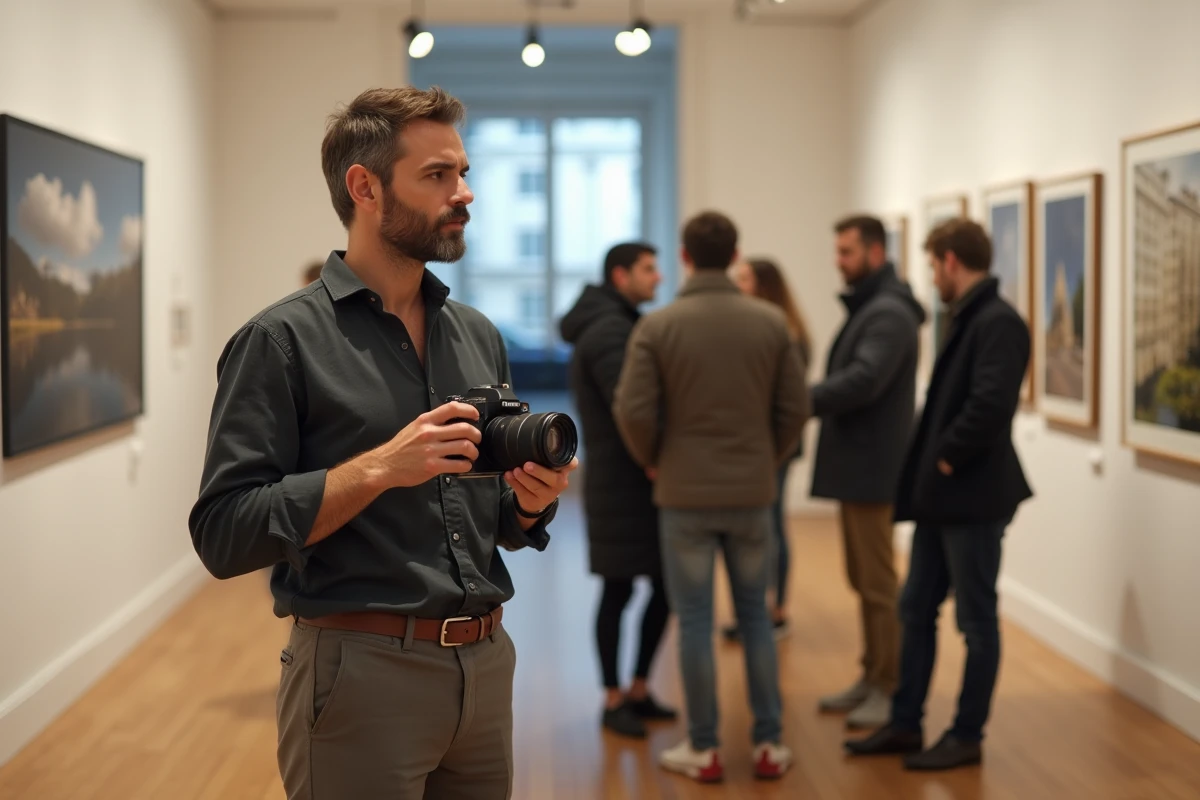
Antoine Pésery is a name that circulates in digital circles related to photography and visual content creation. His journey, situated at the crossroads of photographic practice and social media influence, is generating increasing interest. The available public data allows us to trace certain milestones of this trajectory, while raising questions about how artistic legitimacy is constructed in the age of platforms.
Antoine Pésery photographer: a visibility built outside traditional circuits
Contemporary photography has its own mechanisms of recognition. Festivals, galleries, artist residencies, and rights management societies constitute a structured ecosystem. The programming archives of the Rencontres d’Arles and Visa pour l’Image for the period 2019-2024 do not mention Antoine Pésery in their exhibitions or conferences. Likewise, neither the SAIF nor the ADAGP reference an author file under this name in their databases consulted in 2025.
This observation does not disqualify a photographic career. It situates the ground on which this career develops: social networks and online media rather than the institutional circuit. An increasing number of emerging photographers build their reputation through Instagram, TikTok, or specialized web publications, without going through the historical channels of validation.
The photos of Antoine Pésery on Netscope provide insight into his work and positioning in this digital space, where the image functions both as artistic production and as a vector of personal influence.
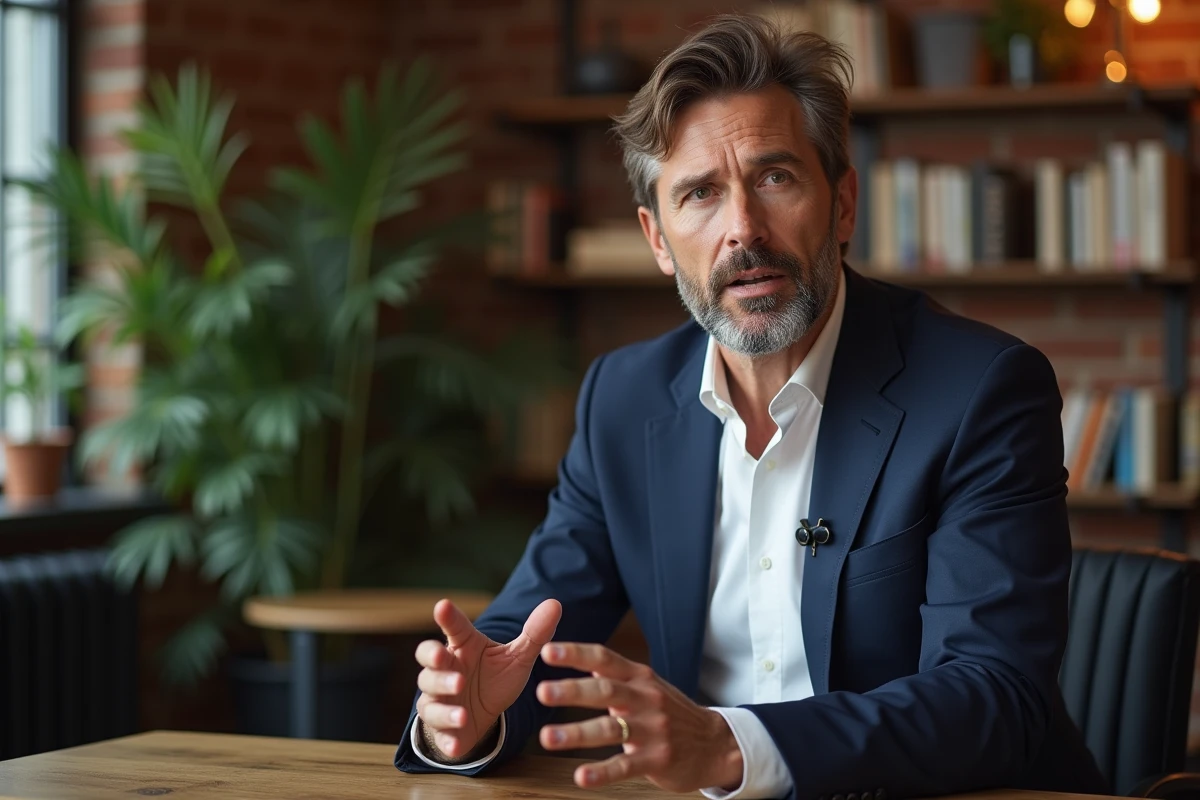
Cultural influence and photography: blurred boundaries
The term “cultural influence” applied to a photographer deserves to be examined closely. In the classic model, a photographer influences through their exhibitions, publications in the press, or books. Influence is then measured by critical reception, awards received, and institutional commissions.
The digital model works differently. Influence is measured in audience, engagement rates, and collaborations with brands. A photographer-influencer does not just sell images; they sell a perspective and a lifestyle. This dual role raises questions about the very nature of the photographic work offered.
Several elements distinguish these two approaches:
- Validation by peers (juries, critics, exhibition curators) gives way to validation by the audience (likes, shares, followers)
- The relationship with the sponsor changes: a brand sponsoring content expects a return in visibility, not necessarily a completed artistic approach
- The production timeline accelerates, with series published at the pace of algorithms rather than the pace of a well-developed editorial project over several months
Antoine Pésery fits into this intermediate zone where photography and influence mutually nourish each other. The available data does not allow for a precise measurement of the extent of his audience or the exact nature of his collaborations.
Antoine Pésery’s journey: what institutional databases do not say
The absence of traces in the records of the Maison Européenne de la Photographie, the LensCulture Directory, or the French artist residencies consulted in 2025 is a verifiable fact. It reflects a choice of path, not necessarily a lack of quality.
The French institutional circuit remains selective and relatively closed. Photographers who gain access typically go through recognized schools (ENSP Arles, École des Gobelins, Louis-Lumière), assistances with established photographers, and then first exhibitions in venues identified by the field.
The non-institutional path has its own constraints. Without the framework of a residency or a creation grant, the photographer must finance their personal work themselves. Monetization through influence then becomes both an economic lever and an editorial choice. This reality concerns an increasing number of visual creators, far beyond the case of Antoine Pésery alone.
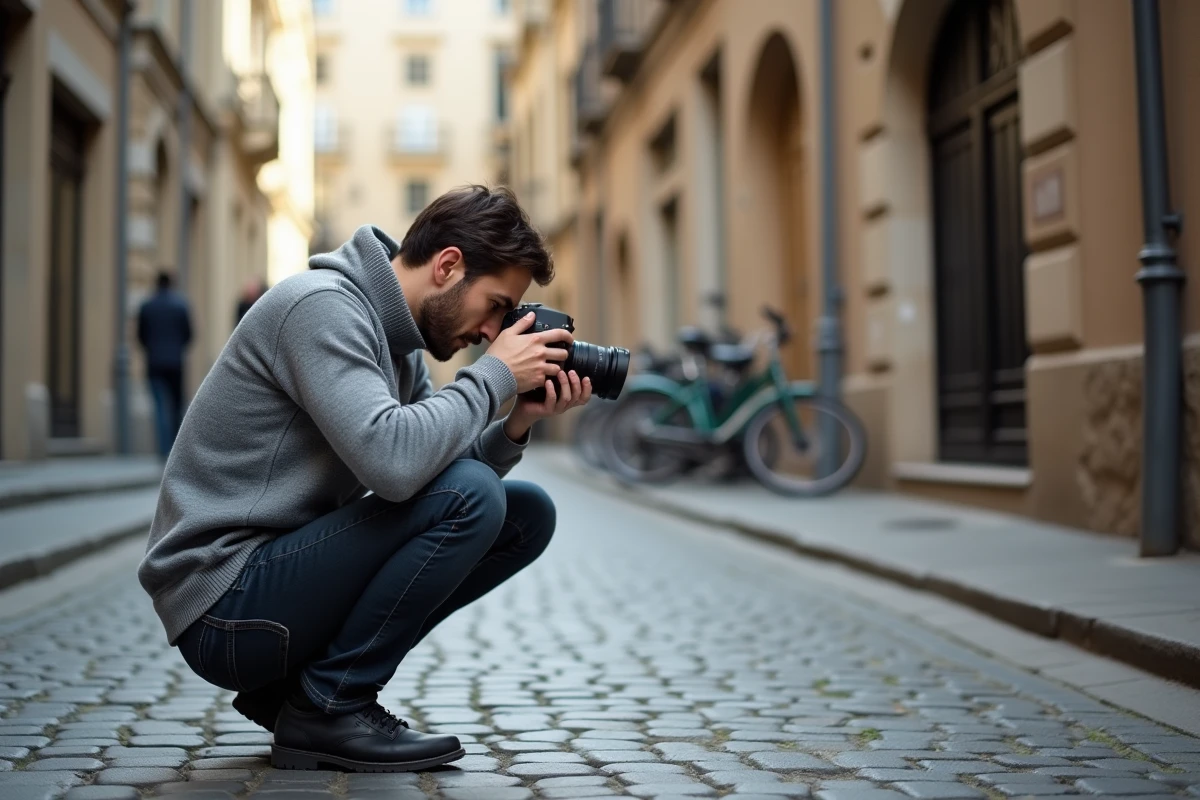
Artistic legitimacy in the age of networks: the case of photographer-influencers
The question of the artistic legitimacy of photographers primarily active on digital platforms fuels a recurring debate in the field. Positions are sharply divided.
On one side, proponents of demanding photography point to the standardization of images produced for networks: the same color palettes, the same framing optimized for vertical format, the same subjects dictated by trends. On the other side, voices remind us that photography has always evolved with its means of dissemination, from illustrated press to magazines, and then to online galleries.
Antoine Pésery represents a generation of creators for whom the platform is the exhibition space. This reality does not replace artistic demand, but it shifts it towards other criteria of evaluation. The coherence of an Instagram feed, the ability to tell a story across multiple posts, and the mastery of natural light in rapid shooting conditions are real skills, even if they do not appear in any residency program.
Field feedback diverges on this point. Some art directors of magazines are now recruiting photographers spotted on networks. Others categorically refuse to consider a portfolio composed solely of Instagram publications.
A journey to follow over time
The journey of Antoine Pésery illustrates a broader transformation in the relationship between visual creation and digital dissemination. The sustainability of this type of career depends on the ability to produce work that transcends the algorithmic flow. Photographers who have successfully made this transition, particularly in other countries, are those who have ultimately anchored their practice in long-term projects, books, or physical exhibitions.
The coming years will reveal whether this journey leads to institutional recognition or remains rooted in the digital ecosystem. Both options are viable, but they do not produce the same type of cultural legacy.