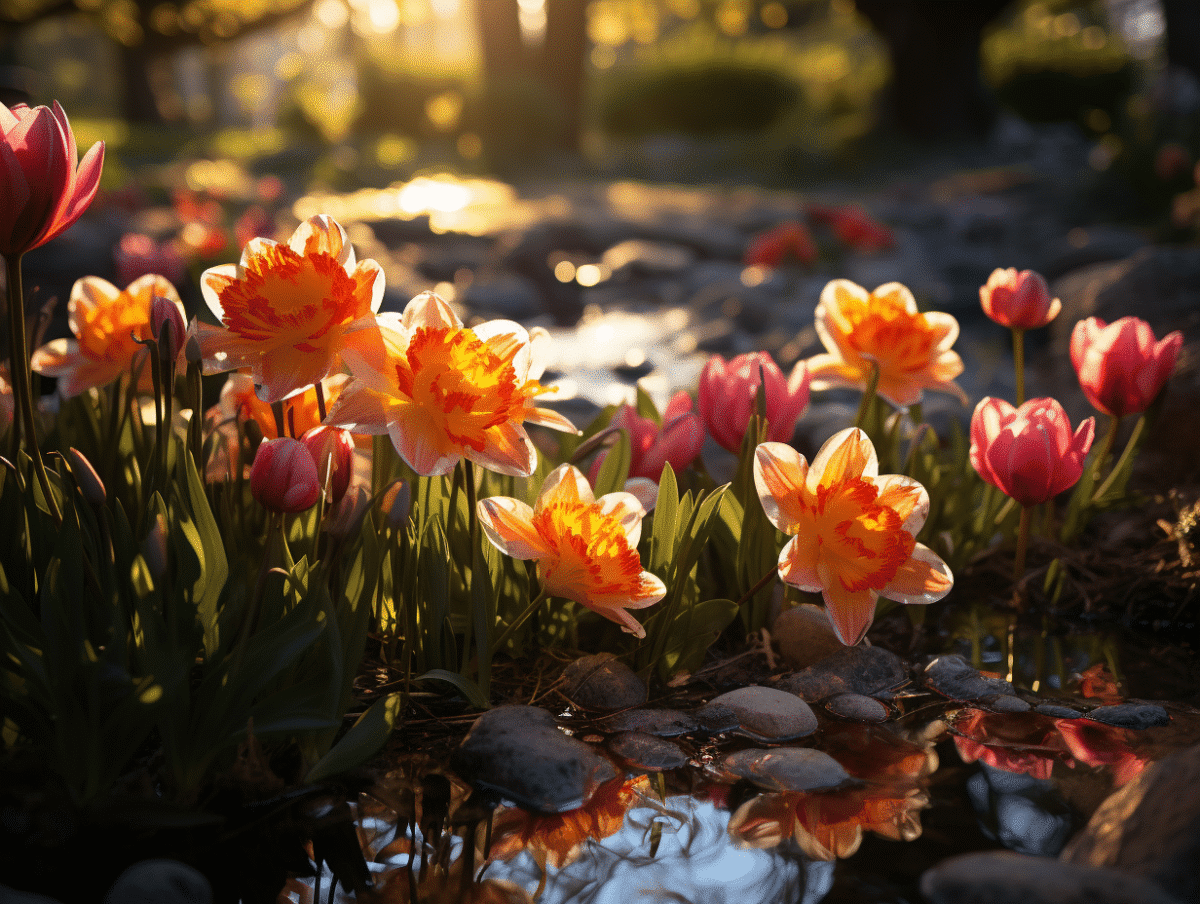
Vibrant gardens are the essence of a lively and welcoming outdoor space. To achieve this chromatic explosion, one must know the best horticultural practices. Growing vibrant flowers goes beyond simply selecting varieties with bright colors; it requires special attention to soil quality, sun exposure, and watering. Each floral species has its own needs and preferences, whether for fertilization or pest control. Mastering a few key tips can transform an ordinary garden into a true living masterpiece.
The fundamentals for vibrant blooming
Growing vibrant flowers is an art that combines patience and knowledge. For botany enthusiasts, perennials like agapanthus are wise choices to ensure seasonal blooming. These plants stand out for their resistance to cold, pests, and diseases, offering flowers in varied shades – white, blue, pink – and a healthy garden.
The choice of soil is crucial: well-drained soil is essential to avoid root asphyxiation and fungal diseases. In the case of clay soil, adding potting soil is recommended to improve soil structure. Don’t forget to use compost to enrich it, promoting better plant growth.
The ideal planting occurs at key times of the year, particularly between February and May. This allows plants to establish themselves before the summer heat. A sunny and sheltered location is recommended to maximize light exposure while protecting plants from strong winds or late frosts. Jardinews suggests planning your plantings with these parameters in mind to ensure optimal blooming.
Plant symbiosis is a phenomenon not to be overlooked. Agapanthus, when paired with plants such as boxwood, grasses, or pink roses, create a favorable ecosystem that enhances plant health and accentuates the aesthetic appeal of the garden. The combination of complementary plants is a strategy to adopt for visual harmony and a resilient garden.
Protection and advanced care for lasting flowers
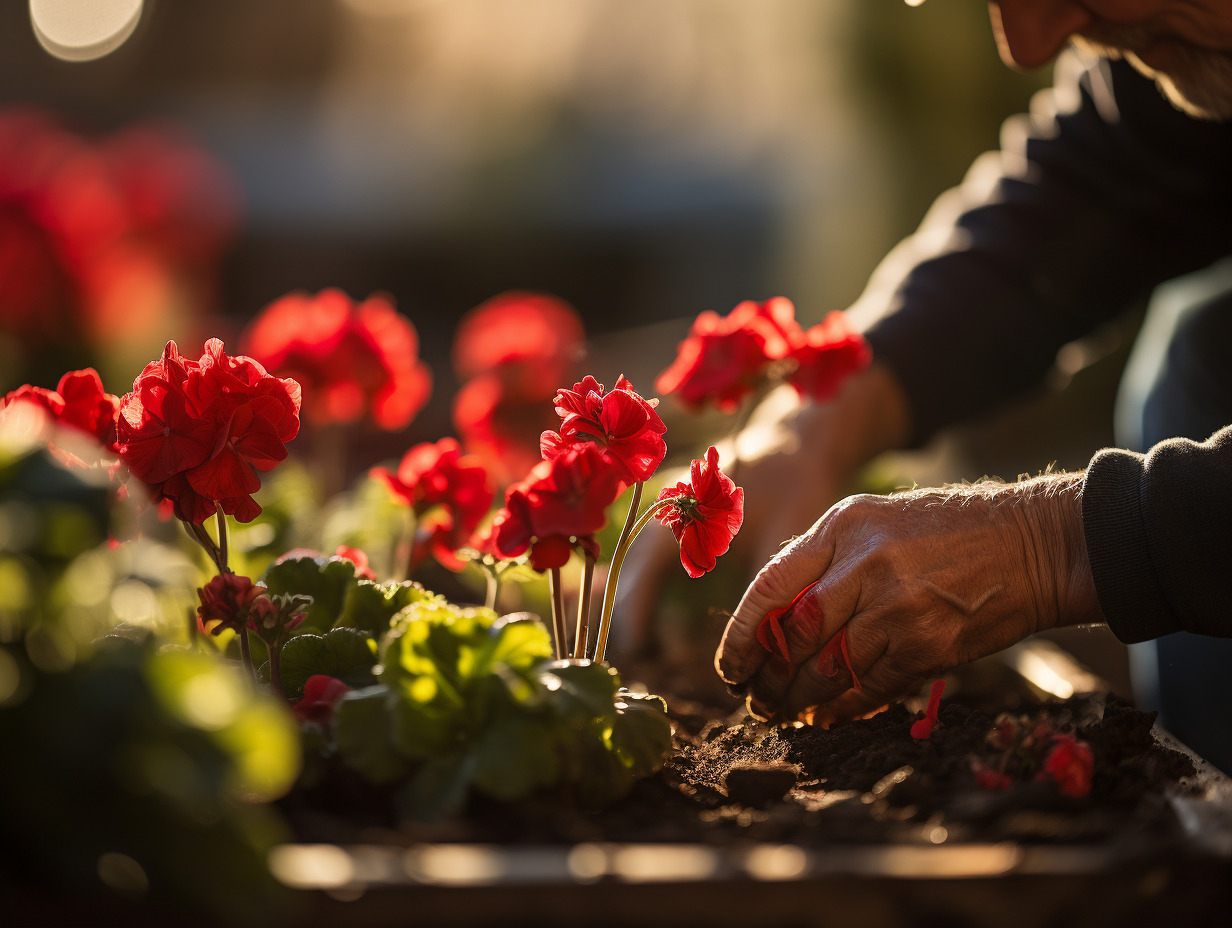
For flowers to thrive season after season, meticulous maintenance is essential. Regular watering is a central pillar of plant health. Professionals recommend establishing a watering schedule tailored to each species to avoid overwatering or, conversely, detrimental drying out. Agapanthus, in particular, benefit from consistent watering during the summer months, their blooming period.
Winter mulching is a preventive practice that protects roots from the harshness of cold. Using organic mulch, to be applied before the first frosts, ensures natural insulation and consistent moisture. This simple act contributes to vigorous regrowth the following spring.
Applying fertilizer specially formulated for flowering plants promotes robust growth and more abundant blooming. Opt for fertilizers rich in potassium and phosphorus to stimulate flower production, carefully following the instructions to avoid any excess that could harm the plants.
After blooming, careful pruning is necessary to prepare agapanthus for the next season. Remove faded flowers and damaged stems to encourage new growth. This maintenance, performed judiciously, ensures not only the longevity of the plants but also the aesthetics of the garden, highly valued by landscapers for decoration.