
The Pocket American Bully attracts attention with its compact physique and its human-like character. Finding a puppy or an adult at a reduced price without risking its health or legal compliance requires more than just a simple search on advertising platforms. Behind a “cheap” label, veterinary, administrative, and regulatory fees can turn an apparent good deal into an uncontrolled budget.
Legal categorization and diagnosis: the true hidden cost of the Pocket American Bully
Most low-priced ads concern dogs not registered with the LOF. Without this registration, the animal does not benefit from breed recognition in the French administrative sense. The direct consequence: a veterinary diagnosis becomes the only way to legally secure the transaction and clarify the animal’s categorization.
This diagnosis, performed by an accredited veterinarian, determines whether the dog falls under a category according to the law on dangerous dogs. A Pocket American Bully whose morphology is deemed compatible with a molossoid type can end up classified in a category, which imposes on the owner a possession permit, specific civil liability insurance, and a behavioral assessment.
These procedures represent a cost that no one mentions in the initial ad. A dog listed for a few hundred euros can ultimately cost significantly more once compliance is achieved. Before any payment, requiring the diagnosis allows you to know exactly what you are getting into, both financially and regulatory-wise.
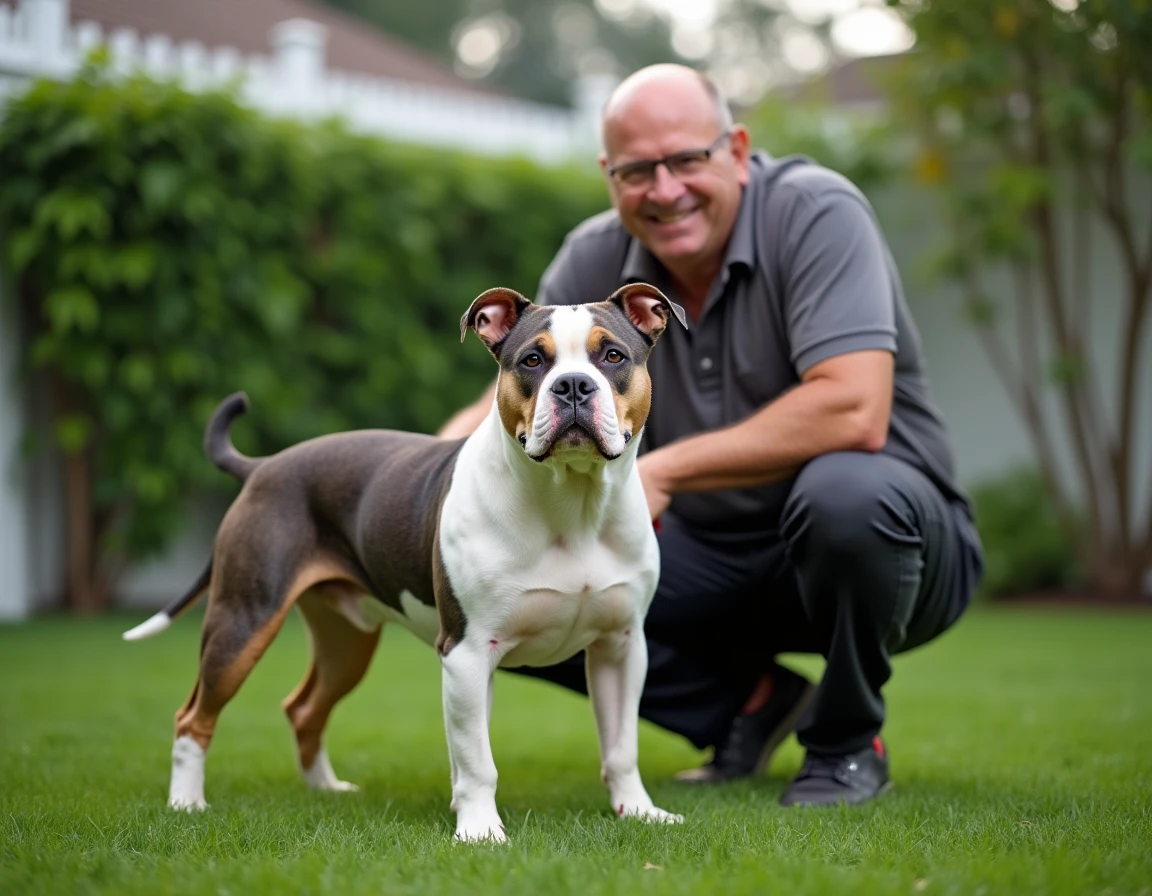
Low-priced ads: criteria to distinguish a reliable breeder from a risky sale
The market for cheap Pocket American Bullies is divided between registered family breeders and opportunistic sellers. The first reflex is to check if the seller displays a SIREN number, mandatory for any regular transfer of pets. Its absence signals a sale outside the legal framework, with all the problems that entails in case of dispute or hidden defects.
Networks like the ABKC or the FBKC list breeders who follow precise morphological standards. These channels, more discreet than large advertising platforms, sometimes offer more accessible prices because the selection is based on the quality of the lines rather than on volume. Turning to La Fibre Câline’s tips helps better identify these networks of registered family breeders.
Several warning signals should alert the buyer:
- The ad does not provide any health documents (vaccination record, identification by microchip, veterinary certificate of good health)
- The seller refuses to show the puppy’s parents or to provide their health history
- The price seems abnormally low compared to the market, without clear explanation (adult animal, return from adoption, end of breeding career)
- No traceability on the origin of the litter, nor mention of post-sale follow-up
A registered family breeder welcomes visits, answers questions about the lineage, and provides a compliant transfer contract.
Adopting an adult Pocket American Bully: an underestimated alternative
Adopting an adult Bully through an association or shelter generally costs less than a breeding puppy. The main advantage is not limited to price: with an adult dog, you can directly observe its temperament in real situations before making a decision.
Field feedback varies on this point, but an adult whose character is already established reduces the risk of behavioral surprises. A puppy remains a promise; an adult is an observable fact.
However, adopting an adult American Bully requires a prior verification of its legal category. The shelter or association must provide the result of the diagnosis before the transfer. If the animal is categorized, the future adopter must obtain the possession permit before retrieving the dog. Skipping this step exposes one to a fine and seizure of the animal.

Realistic budget for a Pocket American Bully: beyond the purchase price
Thinking only about the purchase price skews the evaluation. The actual budget for a Pocket American Bully includes several items that most ads overlook.
- The veterinary diagnosis for a non-LOF dog, to be done before or immediately after acquisition
- The specific civil liability insurance if the dog is categorized
- The mandatory behavioral assessment in the months following the declaration at the town hall
- Regular health expenses (vaccines, anti-parasitics, possible sterilization) and specific breed assessments, particularly on joints and breathing
Post-purchase administrative and veterinary fees can significantly change the actual budget, potentially doubling the initial investment for a low-priced dog. A transparent seller includes these elements in the discussion from the first contact.
Selection based on proximity and connection with the breeder
Favoring a geographically close breeder allows for visiting the facilities, meeting the puppy’s parents, and maintaining a connection after adoption. This direct contact offers a better assessment capability than any online ad photo.
A breeder who agrees to remain reachable after the sale, who offers follow-up during the first months of the dog’s life at home, demonstrates a commitment that goes beyond a simple commercial transaction. This type of relationship often constitutes the best indicator of the quality of a breeding, far more than the displayed price.
Buying a Pocket American Bully at a reduced price is still possible as long as the right questions are asked before payment. The diagnosis, verification of the SIREN, transparency about the lineage, and anticipation of compliance costs separate a controlled acquisition from a purchase that turns against the adopter. The lowest price is never the one in the ad; it is the total amount paid.