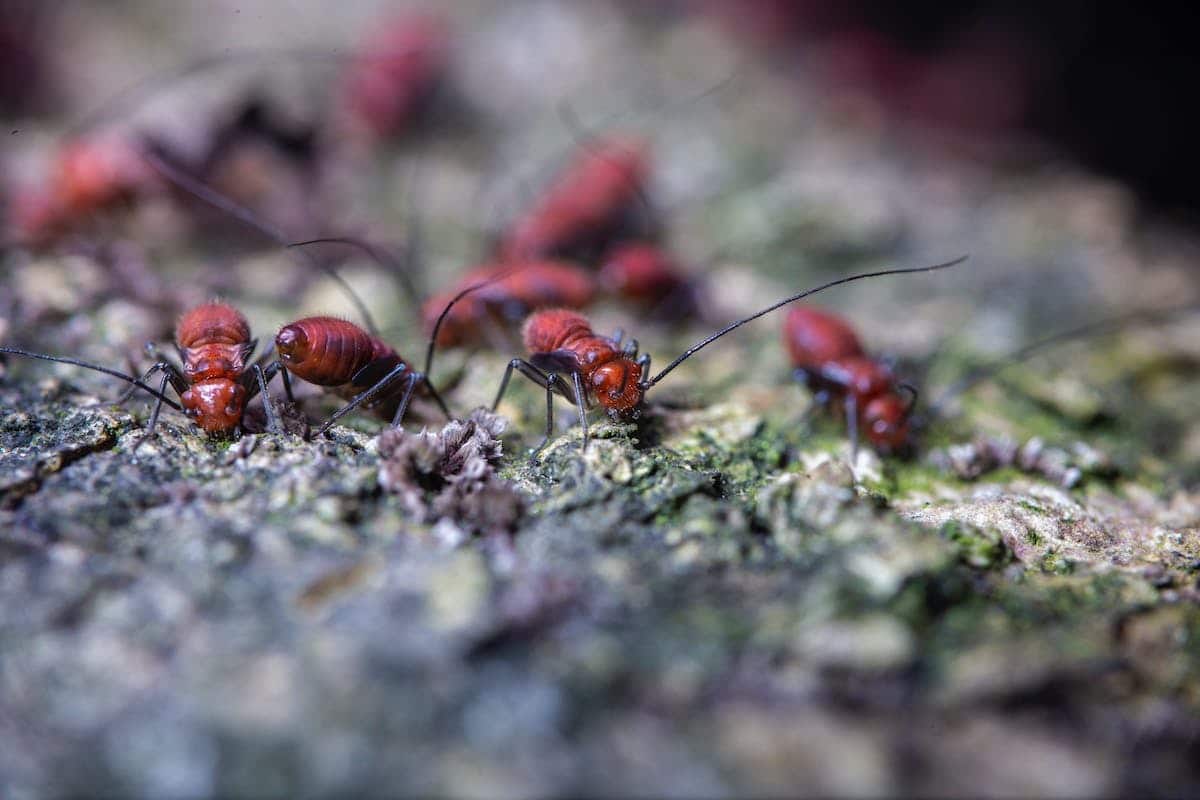
Faced with an invasion of ants in their garden, many botany enthusiasts are seeking solutions to deter these little intruders without harming their precious plants. The presence of these insects may seem harmless, but it can have devastating consequences on certain vegetation. This situation drives the search for effective and eco-friendly methods to keep these little creatures away. Options range from homemade preparations to commercially available products, as well as adopting certain preventive behaviors. This unpretentious guide offers insights into the various ways to achieve this.
Ants in the garden: formidable damage
After exploring in detail the reasons why we would want to keep ants away from our green spaces, it seems natural to delve into a particular question: ‘Are ants harmful to plants?’. The answer to this question is not as simple as it seems.
In truth, not all ants are harmful. Certain species actually play a beneficial role in the garden ecosystem. They participate, for example, in the decomposition of organic matter, thus enriching the soil with essential nutrients for your plants. Additionally, they hunt certain insects that can prove to be pests for your crops.
However, other types of ants can cause serious problems for plants. Aphids are among the pests that certain species of ants protect and cultivate intentionally because they produce honeydew, which these ants love. In return, they actively defend these aphids against their natural predators, such as ladybugs or hoverfly larvae, thus disrupting the normal ecological balance of the garden.
To precisely answer the question ‘Are ants harmful to plants?’, it is necessary to distinguish between different species and understand their specific impact on your gardening environment.
Now let’s move on to the natural methods you can use to effectively keep these unwanted little intruders away without harming the rest of your domestic ecosystem…
Among these are the use of homemade insect repellents such as ground coffee or diluted white vinegar in water that you can spray directly on the paths taken by these stubborn little creatures. Other options include growing aromatic herbs that will naturally repel certain species thanks to their repellent essential oils, such as chives or lemon thyme.
Whatever your personal approach to potential nuisances in your beloved green space, always remain respectful towards all its inhabitants! After all, every creature has its own specialized role to play in this complex and interconnected world we call Earth.
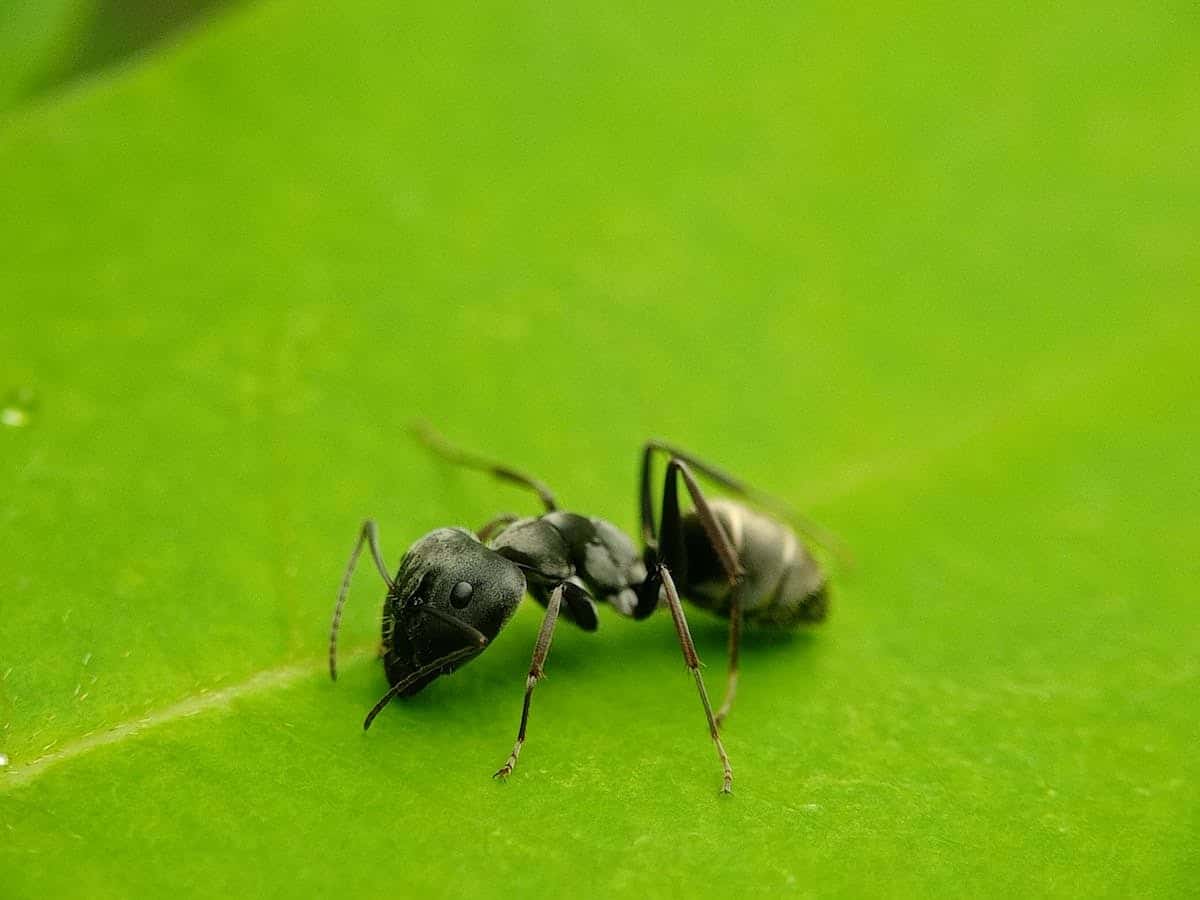
Naturally keeping ants away from your garden
Now that we have outlined the reasons why you want to protect your plants from ants, it’s time to move on to practical tips that will help you achieve this goal. Here are some simple yet effective suggestions:
Physical barriers: create a physical barrier around your plants using materials such as sand or crushed eggshells. Ants will have difficulty crossing these obstacles and will be deterred from approaching your precious seedlings.
Natural repellents: certain plant essences have repellent properties against ants. Plant aromatic herbs such as lavender, peppermint, or tarragon near your crops to deter these pesky insects.
Regular cleaning: make sure to keep your garden clean and free of any food sources that might attract ants. Regularly pick up fallen fruit, empty trash cans, and thoroughly clean all food debris.
Natural traps: make a homemade trap by mixing sugar with a little water in a shallow dish and placing it near areas infested by ants. You can also use borax mixed with honey as bait in another type of trap. Leave this trap for a few days to see if this method proves effective in your specific case.
Homemade recipes: several home remedies can be prepared to repel ants. For example, a mixture of water and lemon juice or baking soda mixed with water can be sprayed directly on areas overrun by these pesky insects.
By following these simple tips, you will be able to protect your plants from ants without resorting to harmful chemical products. Remember that the key is to adopt a respectful approach towards all living beings that inhabit your garden.
Keep in mind that every creature plays a unique and important role in our global ecosystem. By protecting your plants while preserving the natural balance, you will create a harmonious environment where plants and animals coexist peacefully.
Feel free to experiment with different methods to find the one that works best in your particular case.
Protecting your plants from ants: foolproof tips
We can say that a garden without ants is a happy garden. Ants can cause considerable damage to plants by disrupting root growth and promoting the development of pests. There are several effective ways to keep these unwanted insects away from your green space.
Physical barriers such as sand or crushed eggshells are a simple yet effective solution to prevent ants from getting close to your plants. By creating an insurmountable barrier, you will protect your precious crops.
The use of natural repellents such as lavender, peppermint, or tarragon can also help deter ants from invading your garden. These aromatic herbs emit scents that repel these harmful insects while adding a pleasant touch to your green oasis.
Be sure to maintain a regular cleaning routine in your garden. By eliminating all potential food sources such as fallen fruit or food debris, you will reduce the garden’s appeal to ants and thus limit their presence.
If despite your preventive efforts, you still notice a persistent presence of ants in your garden, there are various alternative methods to control their population. Homemade traps with sugar and water or borax mixed with honey can be strategically placed to attract and capture ants.
Several natural remedies can be prepared to repel these unwanted insects. Water mixed with lemon juice or baking soda diluted in water are simple solutions that can be sprayed directly on infested areas.
Be sure to find a balance between protecting your plants and maintaining this harmonious ecosystem.
Feel free to experiment with different methods to determine which one works best for your specific situation. By following these practical tips, you will be able to protect your plants from ants without resorting to harmful chemicals.
A garden without ants is not only healthier for your plants but also brings great personal satisfaction when you can fully enjoy the fruits of your hard work without unwanted disturbances. So take care of your garden, adopt an eco-friendly approach, and create a peaceful green space where humans and nature coexist in harmony.