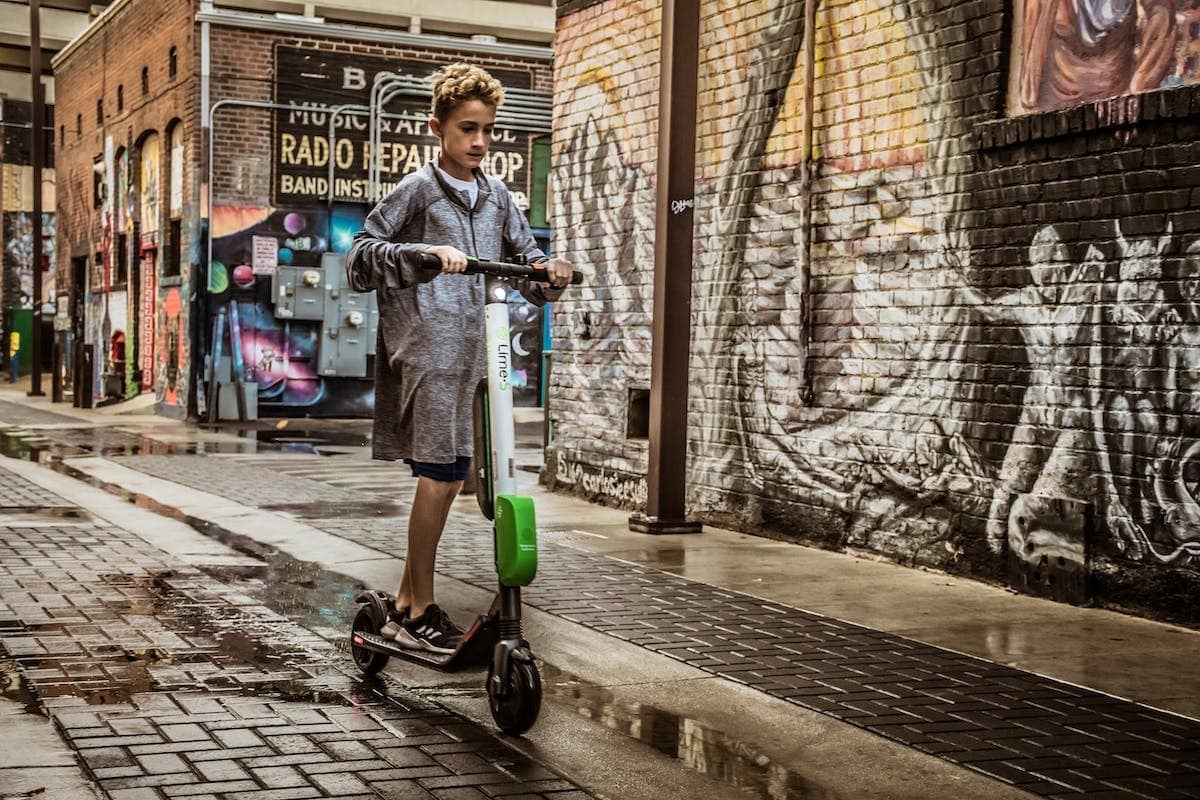
In the world of two-wheelers, electric energy is of paramount importance. Whether you are an experienced cyclist or a novice, understanding how to recharge the battery of your scooter or motorcycle is essential to ensure optimal operation of your vehicle. It may seem complex, but with clear instructions and wise advice, you will be surprised at how simple it is. So, how do you bring your vehicle’s battery back to life? Let’s dive into this practical guide to discover the battery recharging process for your two-wheeler.
Everything you need to know about your two-wheeler’s battery
The world of two-wheelers is vast, and one of its crucial aspects remains the maintenance of the battery. The way to recharge a scooter battery can vary depending on the type of battery.
First, lead-acid batteries are characterized by their robustness and reliability. They are generally less expensive and have a decent lifespan if regularly maintained, particularly through the addition of distilled water to prevent them from drying out or discharging completely. To recharge a lead-acid scooter battery, you need to use a specific charger that matches its voltage to ensure a good level of recharge.
Lithium-ion batteries represent the more modern version of accumulators available in the electric scooter market. Their main advantages lie in their lightweight and compactness allowing for simplified installation, as well as their superior energy capacity ensuring extended range during long-distance trips; not to mention their low self-discharge which preserves energy even when your vehicle remains parked for a long time without being used.
To effectively recharge this specifically named ‘recharge lithium-ion scooter battery’, you will need a smart charger capable of automatically stopping the charge once it reaches its maximum capacity to avoid any harmful overcharging that could affect its durability.
Additionally, a new type called ‘Lithium Iron Phosphate’ (LiFePO) batteries has recently emerged in the world of electric scooters. These types possess all the advantages associated with traditional lithium-ion batteries but also eliminate some significant drawbacks such as: slow charging time and a significant risk of fire or explosion.
Types of batteries and their advantages
To recharge your scooter battery, you must follow specific steps to optimize the process and ensure an effective recharge. Here are the different steps to follow:
Ensure that your scooter is stopped and turned off. It is crucial to work on a stationary vehicle to avoid any potential accidents.
Locate the battery of your scooter by opening the designated compartment. In some models, the battery may be located under the seat, while in others, it is found in a dedicated compartment near the handlebars.
Check the general condition of the battery: examine whether the terminals are clean and securely attached, and if there are no leaks or visible damage. If you notice anything abnormal, you should consult a professional to carry out the necessary repairs.
Connect the charger suitable for the specific type of your battery (lead-acid or lithium-ion). Ensure that the charger is compatible with the voltage required by your battery to avoid any risk of overcharging or irreversible damage.
Connect the clamps of the charger to the corresponding terminals on the battery, strictly respecting the positive ( ) and negative (-) polarities. Also, be careful not to reverse the connections to avoid any potentially dangerous short circuits.
Once properly connected, turn on the charger and select the appropriate charging mode. Some chargers have different modes depending on the level of discharge of the battery, so choose the one that suits your situation.
Allow the battery to charge completely, following the indications given by the charger manufacturer. You should not interrupt the process prematurely to ensure optimal recharging.
Once the charging is complete, carefully disconnect the clamps of the charger from the battery terminals, starting with the negative clamp (-) and then the positive ( ). Be careful not to touch both clamps simultaneously to avoid any electrical risk.
Recharging your battery: essential steps
When recharging the battery of your scooter, you must take certain precautions to ensure your safety and that of your vehicle. Here are some tips to follow carefully:
Ensure that the environment in which you are recharging is well-ventilated. Batteries can emit flammable gases when charging, so you should avoid any flames.
Be careful not to overcharge the battery. It is recommended to follow the manufacturer’s instructions regarding the time required for a full recharge. Overcharging can damage the battery and reduce its lifespan.
Errors to avoid: recharge your battery safely
In this article, we will address the crucial issue of recharging your scooter or motorcycle battery. You need to know the best practices to preserve its lifespan and optimize its performance.
You should pay particular attention to the environmental conditions in which your battery is located. Extreme temperatures can negatively impact its performance and longevity. Therefore, avoid situations where your scooter or motorcycle is exposed to excessive heat or freezing cold as much as possible.
The recommended method for recharging your battery is to use a specific charger suitable for its type. Always opt for chargers approved by the manufacturer to avoid any potential risks and ensure effective recharging. You must strictly follow the instructions provided with the charger, especially if they are unfamiliar to you.
Before any operation, ensure that the electrical voltage matches that required by your battery. A neglected error can lead to irreversible damage and compromise its proper functioning.
You must maintain your battery. Any potential oxidation on the terminals should be addressed promptly to avoid any poor connection that could negatively impact the recharge when it is performed.
When proceeding with the actual recharge, ensure that the environment is clean and dry. Any contact with liquids can be dangerous and irreparably damage your battery.
It is best to recharge the battery in a well-ventilated area, away from direct heat sources or drafts. Overheating during charging could lead to premature degradation of its components.
You must adhere to the charging time indicated by the manufacturer to optimize performance and extend the useful life of your battery. Also, avoid unnecessary interruptions that could negatively impact its ability to store the energy necessary for the proper functioning of your scooter or motorcycle.
By following these simple yet essential tips, you can fully enjoy the benefits offered by a healthy battery. Do not hesitate to consult the owner’s manual or seek professional help if you need additional assistance in properly recharging your battery.