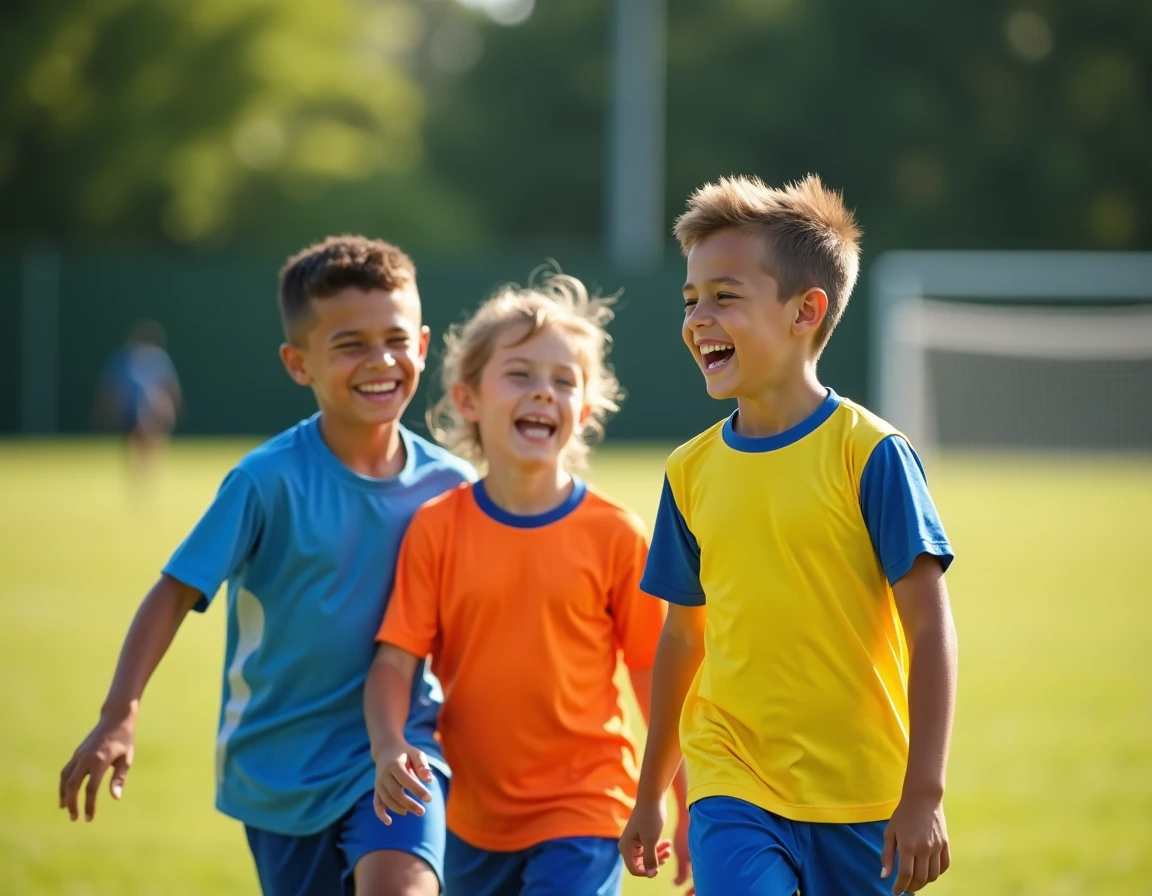
A child who has been practicing tennis at a club for two years will not gain much from a general multisport camp focused on discovery. Conversely, enrolling a six-year-old in an intensive football camp with twice-daily sessions is the best way to turn them off before the school year starts. The choice of a sports camp for children this summer is based on very concrete criteria that promotional brochures do not always highlight.
Supervision ratio and qualifications of instructors in sports camps
Before looking at the program or location, one specific point is checked: the number of children per supervisor. A group of twelve children with only one instructor does not allow for technical correction or individual fatigue management. Reputable organizations display their ratios, and feedback on this point varies by discipline.
Qualifications are as important as the ratio. A state-certified sports educator tailors exercises to the morphology and motor development of each age group. A BAFA instructor, no matter how motivated, does not have this technical expertise. When comparing two camps at the same price, checking the qualifications of the supervisors makes a difference.
To find available camps near you with their characteristics, you can filter by sport, location, and period via the camp map on Va Y Avoir Du Sport and directly compare the offers.
Children’s sports camp: single-sport or multisport according to the profile
The classic reflex is to check “multisport” to avoid making a mistake. This reasoning works for a five or six-year-old who has never touched a ball or worn a kimono. But as soon as a child shows a clear preference, a single-sport camp provides visible progress in just a few days, which boosts motivation for the following season.
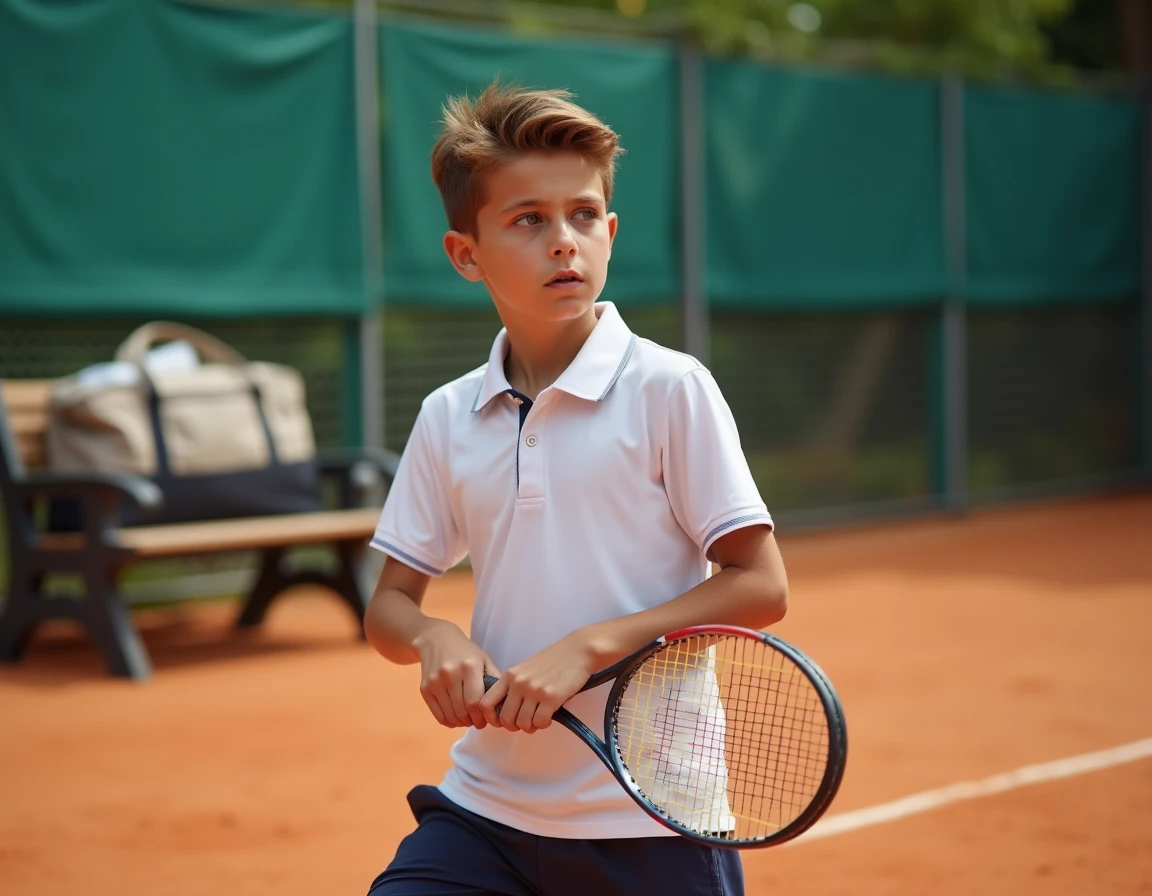
Multisport retains real interest in a specific case: when the child is already practicing a sport at a club and you want to open up other horizons during the holidays, without performance pressure. Swimming in the morning, climbing in the afternoon, a bit of archery in between. The goal is then enjoyment and motor diversity, not technical progression.
Some guidelines to help decide:
- The child spontaneously talks about a sport, watches matches, imitates technical gestures: a targeted single-sport camp will be much more stimulating.
- The child enjoys moving but shows no strong preference: multisport allows them to test several disciplines without commitment.
- The child has been practicing a sport for several seasons and shows signs of boredom: a camp in a completely different discipline can reignite their desire to move.
Duration and intensity of the camp: adapting the format to age
A full week camp with six-hour days is suitable for a ten-year-old accustomed to effort. For a five or six-year-old, half-days over three to four days are preferred. Accumulated fatigue from overly long days produces the opposite effect of what is sought: the child associates sports with exhaustion.
Half-days also help maintain the rhythm of the holidays. The child keeps free time to play, read, or do nothing. We often forget that summer holidays also serve to recover from a busy school year.
Another parameter to evaluate: the amount of free play in the program. A good sports camp for children alternates directed sequences and unstructured playtime. Children also progress by playing among themselves without instructions, because they experiment, take initiatives, and develop their coordination without thinking about it.
Accessible sports camps tailored to specific needs
The offer of sports camps adapted for children with disabilities or conditions like ADHD has been structured in recent years. Several national sports federations now communicate about accessibility measures with instructors trained in alternative communication and sensory break times.
In practical terms, this means that a child with an autism spectrum disorder can participate in a camp with small groups, a displayed visual schedule, and withdrawal spaces if the stimulation becomes too intense. These adjustments benefit all children in the group, not just those with identified needs.
Before registration, contact the organization directly to ask specific questions:
- Have the supervisors received specific training in disabilities or behavioral disorders?
- Is the supervisor/child ratio suitable for accommodating a child with special needs?
- Is a prior exchange with the family planned to convey the child’s habits and warning signals?

The answers obtained say more than any label displayed on a website.
Protection of children’s personal data in camps
This is rarely considered at the time of registration, but sports camps collect sensitive information: health forms, group photos, geolocation via tracking apps. Since 2023, the CNIL has strengthened its recommendations on managing minors’ data in leisure organizations, imposing greater transparency on the retention and sharing of this data.
Before signing, check if the organization specifies how long it retains medical forms, whether photos taken during the camp are shared on social media and with what consent, and if a tracking app is used. Requesting the privacy policy is not an excess of caution, it is a basic reflex when entrusting your child to an organization for several days.
The choice of a sports camp for the summer boils down to three decisions: the right format for the child’s age, qualified supervision with a reasonable ratio, and an organization capable of clearly answering practical questions. The rest is up to the child, based on what excites them.